
The New Tax Year in the UK: What You Need to Know
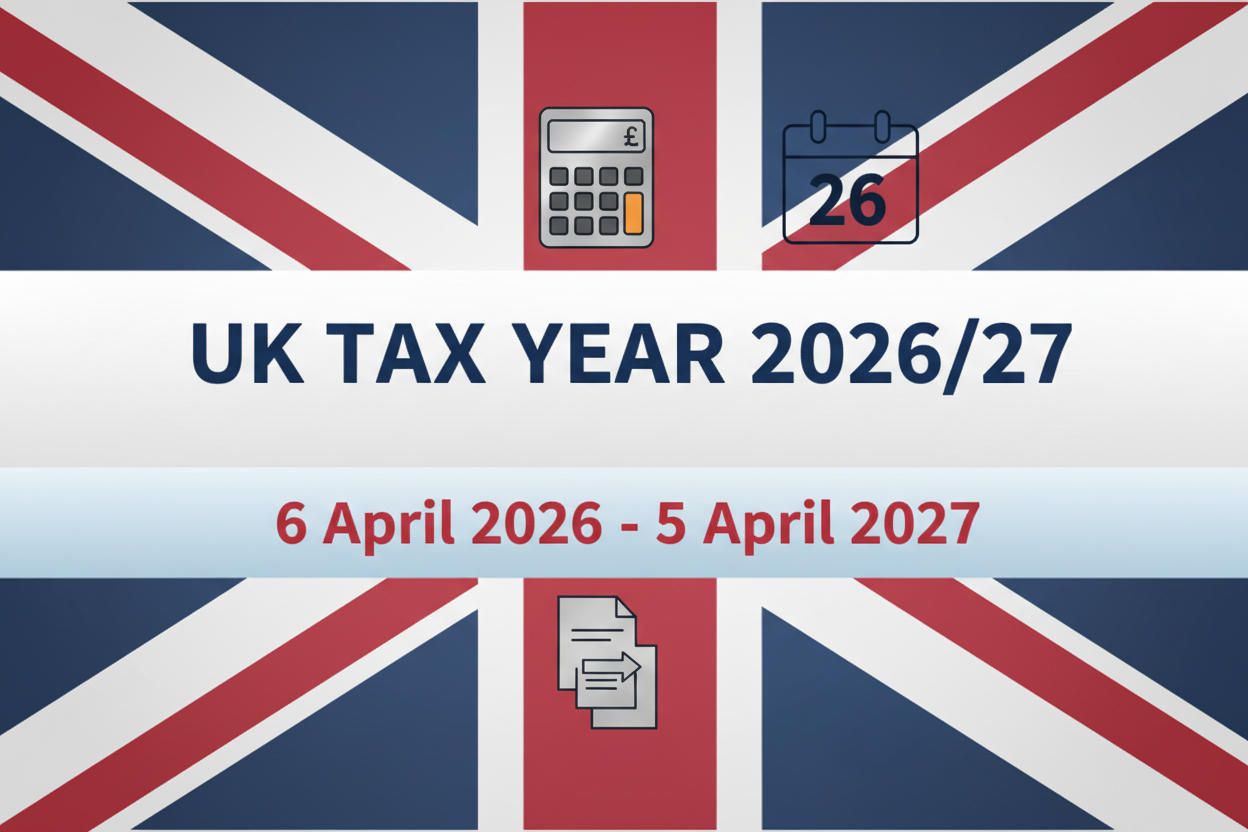
The UK tax year runs from April 6th to April 5th the following year. Each new tax year brings changes that can affect individuals, businesses, and investors. Understanding these changes is crucial for effective financial planning and compliance with tax regulations.
The UK tax year runs from 6 April to 5 April the following year. The current tax year is 2025/26, starting on 6 April 2025 and ending on 5 April 2026. This period is crucial for Income Tax, Self Assessment, and capital gains tax calculations, with key deadlines (like 31 January) to pay tax owed. Gov.uk
Key Dates and Deadlines
The new tax year begins on April 6th. It is important to keep track of key deadlines, including the submission of self-assessment tax returns, which are typically due by January 31st following the end of the tax year. For example, for the tax year starting April 6, 2024, the self-assessment deadline will be January 31, 2026, for online submissions.
Personal Allowance and Tax Bands
One of the most significant updates each tax year relates to personal allowance—the amount of income you can earn before paying income tax. For the 2024/2025 tax year, the personal allowance remains at £12,570. Income above this threshold is taxed at different rates depending on income levels: 20% basic rate, 40% higher rate, and 45% additional rate.
National Insurance Contributions
National Insurance (NI) thresholds and rates can also change with the new tax year. These contributions are important as they affect eligibility for certain benefits and state pension. For the 2024/2025 tax year, the primary threshold for employees increases slightly, meaning you start paying NI on earnings above this level.
Capital Gains Tax and Other Allowances
Capital Gains Tax (CGT) annual exempt amount is another critical figure that may be adjusted. For 2024/2025, the CGT allowance is set at £6,000, down from £6,150 the previous year. This allowance lets you realize some capital gains without paying tax.
Business and Corporation Tax Changes
For businesses, corporation tax rates and reliefs may be updated. The main rate of corporation tax remains at 25% for profits over £250,000, with a small profits rate of 19% for profits up to £50,000. Marginal relief applies between these thresholds.
Pension Contributions and ISA Limits
Pension contribution limits and Individual Savings Account (ISA) allowances may also be revised. For the new tax year, the ISA allowance remains at £20,000, allowing tax-free savings and investments up to this amount annually.
Preparing for the New Tax Year
To navigate the changes effectively, it is advisable to review your financial situation, update tax planning strategies, and consult with a tax professional if necessary. Staying informed about legislative changes and deadlines helps ensure compliance and optimize tax efficiency.
In summary, the new UK tax year brings a mix of continuity and change. Being aware of these details aids individuals and businesses in making informed financial decisions and meeting their tax obligations on time.
Leave a Reply